maandag 4 juni 2012

Ancient curry spice boosts innate immune response to fight infection and chronic disease


spice

Ancient curry spice boosts innate immune response to fight infection and chronic disease

Thursday, May 31, 2012 by: John Phillip


(NaturalNews) The ancient curry spice known as turmeric and its bioactive component, curcumin
have been revered in the world of Ayurvedic medicine for more than 2500 years. The flavorful, 
orange-yellow spice has been theorized to help prevent digestive cancers and improve measures 
of cognition and brain health as it is known to cross the blood-brain barrier. Past studies have 
shown that curcumin is a powerful antioxidant and anti-inflammatory, characteristics that are 
believed to provide human health benefits.

A research team from Oregon State University has released the result of a study in the Journal of 
Nutritional Biochemistry that demonstrates how curcumin exerts a measurable increase in levels of
a protein that's known to be important in the innate immune system, helping to prevent infection in 
humans and other animals. Scientists found that curcumin activated the cathelicidin antimicrobial 
peptide, or CAMP, a critical component of our immune system that identifies previously unknown 
bacteria, allowing for rapid identification and removal of the invader.

Curcumin and vitamin D synergistically influence 

production of the disease-detecting CAMP peptide

Any natural compound that can influence or raise CAMP levels is of significance to human health,
as it helps boost immunity and provides a barrier against a host of chronic conditions and 
pathogenic invaders. In recent years, vitamin D has been studied extensively and has been found 
to be a potent stimulator of CAMP activity. New research has found that curcumin and vitamin D 
work synergistically to fight infection and systemic inflammation as they both exhibit 
disease-fighting anti-inflammatory and antioxidant properties.

The lead study author from the Linus Pauling Institute, Dr. Adrian Gombart commented about the
study, "This research points to a new avenue for regulating CAMP gene expression... it's possible 
that sustained consumption over time may be healthy and help protect against infection, 
especially in the stomach and intestinal tract." Researchers compared the CAMP-stimulating 
activity of curcumin to omega-3 fatty acids and found that curcumin caused levels of CAMP to 
almost triple.

Vitamin D and curcumin have both been the subject of intense research over the past decade, 
because of the many potential therapeutic benefits in treating infection, cancer, psoriasis, and 
other diseases. New studies will be designed to fully examine the ability of these natural nutrients
to enhance the genetic expression of the CAMP peptide to protect against a broad range of bacteria,
including those that cause tuberculosis and protect against the development of sepsis. Experts 
suggest 2000 to 5000 IU of vitamin D and 500 mg of a standardized curcumin supplement daily to 
yield optimal protection from bacterial and viral pathogens and chronic disease.

Sources for this article include:

http://oregonstate.edu
http://www.sciencedaily.com/releases/2012/05/120525103915.htm
http://www.eurekalert.org/pub_releases/2012-05/osu-lcn052312.php

About the author:
John Phillip is a Health Researcher and Author who writes regularly on the cutting edge use of diet, 
lifestyle modifications and targeted supplementation to enhance and improve the quality and length 
of life. John is the author of 'Your Healthy Weight Loss Plan', a comprehensive EBook explaining 
how to use Diet, Exercise, Mind and Targeted Supplementation to achieve your weight loss goal.
Visit My Optimal Health Resource to continue reading the latest health news updates, and to 
download your Free 48 page copy of 'Your Healthy Weight Loss Plan'.


donderdag 31 mei 2012

Scientists invent 'cannabis without the high'


Scientists invent 'cannabis without the high'

Israeli scientists have cultivated a cannabis plant that doesn't get people stoned in a development that may help those smoking marijuana for medical purposes, a newspaper said on Wednesday.
According to the Maariv daily, the new cannabis looks, smells and even tastes the same, but does not induce any of the feelings normally associated with smoking marijuana that are brought on by the substance THC, or tetrahydrocannabinol.
"It has the same scent, shape and taste as the original plant -- it's all the same -- but the numbing sensation that users are accustomed to has disappeared," said Tzahi Klein, head of development at Tikkun Olam, the firm that developed the species.
"Many of our patients who tried the new plant come back to us and say: 'You tricked me,'" because they assumed they had been given a placebo, he said.
According to Maariv, Tikkun Olam sought to neutralise the effect of the THC and to increase the effect of another substance called CBD, or cannabidiol, which has been shown to help diabetics and to ease various psychiatric disorders.
Not only does it leave users stone-cold sober, it also doesn't induce the munchies, the hunger pangs that the drug's smokers generally suffer.
Despite the innovation, it is unlikely to have any impact on Israeli law, which outlaws the use of marijuana as illegal except for medical purposes.
According to figures published earlier this year by Sheba Medical Centre and the Israel Cancer Associationmedical marijuana has been approved for use by about 6,000 Israelis suffering from various illnesses.

dinsdag 29 mei 2012

7 Foods That Keep You Young


7 Foods That Keep You Young

Looking young seems to be a foremost priority of the over 30 crowd these days. Not just women, even men are wary of aging and hollywood only encourages this preoccupation. Instead of resorting to botox, plastic surgery or using the number of anti-aging chemical creams that have flooded the markets, one can go the natural route and opt for fruits and vegetables to help fight all age-related problems. Here are a few superfoods that can help control aging and make you look younger, but more importantly, vibrant and healthy.


1. Avocado
Apart from being high in Vitamin E, avocados are rich in antioxidants which help protect the skin. Avocados help in regenerating skin cells which makes your skin look fresh, giving a more youthful complexion.
2. Walnuts
Walnuts are a rich source of Vitamin E and having a handful can help your skin look great.
3. Kidney Beans
These pulses are full of fibre and potassium which help reduce the cholesterol levels and thus reduce the risk of any heart disease. But their major health benefit is that they are packed with proteins.
4. Broccoli
Broccoli is a great source of fibre and Vitamin C which not only help control weight, but also help to fight heart diseases. Sulforaphane found in broccoli hinders the growth of cancer cells.
5. Blueberries
Blueberries are rich in Vitamin C, which help in easy circulation of blood. Blueberries also contain certain minerals which help control the anti-ageing process. High in potassium, these berries help fight puffiness.
6. Aloe Vera juice
Aloe vera juice is excellent if you want younger-looking skin. Have 30 ml aloe vera juice diluted with 100 ml water early morning on empty stomach. And after 20-30 minutes you can have your regular breakfast.
7. Brazil nuts
Brazil nuts are a very rich source of selenium, a mineral that works very well with Vitamin E to stop oxidative stress and cell damage caused by free radicals; thus, slowing down the aging process. But should be eaten in moderation (two nuts a day) because of its high fat content.

Natasha Longo has a master's degree in nutrition and is a certified fitness and nutritional counselor. She has consulted on public health policy and procurement in Canada, Australia, Spain, Ireland, England and Germany.

dinsdag 15 mei 2012

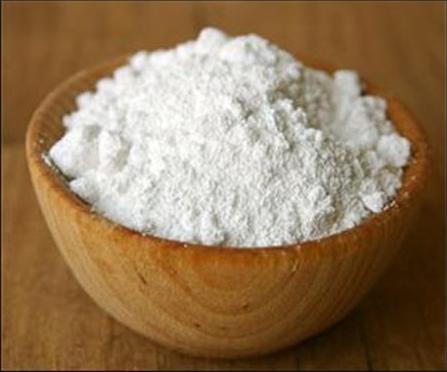
51 Amazing Uses for Baking Soda

51 Amazing Uses for Baking Soda

7th May 2012
By  - care2.com
I don’t mean to sound seditious here, but I have a rebellious plan to combat the ills that many corporations are perpetrating in the name of fighting grime and germs. My main gripe is about the environmental pollutants from cleaning and personal care products that we wash down our drains and into our water systems, resulting in situations like the chemical triclosan (a pesticide added to many products as an antibacterial agent) being found in dolphins.
So the simple plan is to encourage everyone to use baking soda in any of these 51 applications. Besides showing kindness to aquatic life, we can also protect ourselves from the array of toxins in household cleaning products. Conventional cleansers can expose us to multiple chemicals linked to asthma, cancer, and other documented health problems.
Baking soda also makes a perfect stand-in for many personal care products, which are adding their own twist to the toxic tangle of pollutants and personal health (mainly in the form of synthetic fragrance (and it’s almost all synthetic), sodium laurel sulfate, and parabens).
So exactly how does baking soda fit into my scheme to make the world a better place? Baking soda, aka sodium bicarbonate,  helps regulate pH—keeping a substance neither too acidic nor too alkaline. When baking soda comes in contact with either an acidic or an alkaline substance, it’s natural effect is to neutralize that pH. Beyond that, baking soda has the ability to retard further changes in the pH balance, known as buffering. This dual capability of neutralizing and buffering allows baking soda to do things such as neutralize acidic odors (like in the refrigerator) as well as maintain neutral pH (like in your laundry water, which helps boost your detergent’s power). It’s a simple reaction, but one that has far-reaching effects for a number of cleaning and deodorizing tasks. And so without further ado, I’ll remove my scientist cap, put on my rebellious housekeeper’s cap, and get this folk-wisdom revolution rolling…

Personal Care

1. Make Toothpaste
A paste made from baking soda and a 3 percent hydrogen peroxide solution can be used as an alternative to commercial non-fluoride toothpastes. (Or here’s a formula for a minty version.) You can also just dip your toothbrush with toothpaste into baking soda for an extra boost.
2. Freshen Your Mouth
Put one teaspoon in half a glass of water, swish, spit and rinse. Odors are neutralized, not just covered up.
3. Soak Oral Appliance
Soak oral appliances, like retainers, mouthpieces, and dentures, in a solution of 2 teaspoons baking soda dissolved in a glass or small bowl of warm water. The baking soda loosens food particles and neutralizes odors to keep appliances fresh. You can also brush appliances clean using baking soda.
4. Use as a Facial Scrub and Body Exfoliant
Give yourself an invigorating facial and body scrub. Make a paste of 3 parts baking soda to 1 part water. Rub in a gentle circular motion to exfoliate the skin. Rinse clean. This is gentle enough for daily use. (For a stronger exfoliant, try one of these great 5 Homemade Sugar Scrubs.)
5. Skip Harsh Deodorant
Pat baking soda onto your underarms to neutralize body odor.
6. Use as an Antacid
Baking soda is a safe and effective antacid to relieve heartburn, sour stomach and/or acid indigestion. Refer to baking soda package for instructions.
7. Treat Insect Bites & Itchy Skin
For insect bites, make a paste out of baking soda and water, and apply as a salve onto affected skin. To ease the itch, shake some baking soda into your hand and rub it into damp skin after bath or shower. For specific tips on bee stings, see Bee Stings: Prevention and Treatment.
8. Make a Hand Cleanser and Softener
Skip harsh soaps and gently scrub away ground-in dirt and neutralize odors on hands with a paste of 3 parts baking soda to 1 part water, or 3 parts baking soda to gentle liquid hand soap. Then rinse clean. You can try this honey and cornmeal scrub for hands too.
9. Help Your Hair
Vinegar is amazing for your hair, but baking soda has its place in the shower too. Sprinkle a small amount of baking soda into your palm along with your favorite shampoo. Shampoo as usual and rinse thoroughly–baking soda helps remove the residue that styling products leave behind so your hair is cleaner and more manageable.
10. Clean Brushes and Combs
For lustrous hair with more shine, keep brushes and combs clean. Remove natural oil build-up and hair product residue by soaking combs and brushes in a solution of 1 teaspoon of baking soda in a small basin of warm water. Rinse and allow to dry.
11. Make a Bath Soak
Add 1/2 cup of baking soda to your bath to neutralize acids on the skin and help wash away oil and perspiration, it also makes your skin feel very soft. Epsom salts are pretty miraculous for the bath too, read about the health benefits of epsom salt baths.
12. Soothe Your Feet
Dissolve 3 tablespoons of baking soda in a tub of warm water and soak feet. Gently scrub. You can also make a spa soak for your feet.

Cleaning

13. Make a Surface Soft Scrub
For safe, effective cleaning of bathroom tubs, tile and sinks–even fiberglass and glossy tiles–sprinkle baking soda lightly on a clean damp sponge and scrub as usual. Rinse thoroughly and wipe dry. For extra cleaning power, make a paste with baking soda, course salt and liquid dish soap—let it sit then scour off.
14. Handwash Dishes and Pots & Pans
Add 2 heaping tablespoons baking soda (along with your regular dish detergent) to the dish water to help cut grease and foods left on dishes, pots and pans. For cooked-on foods, let them soak in the baking soda and detergent with water first, then use dry baking soda on a clean damp sponge or cloth as a scratchless scouring powder. Using a dishwasher? Try these energy saving tips.
15. Freshen Sponges
Soak stale-smelling sponges in a strong baking soda solution to get rid of the mess (4 tablespoons of baking soda dissolved in 1 quart of warm water). For more thorough disinfecting, use the microwave.
16. Clean the Microwave
Baking soda on a clean damp sponge cleans gently inside and outside the microwave and never leaves a harsh chemical smell. Rinse well with water.
17. Polish Silver Flatware
Use a baking soda paste made with 3 parts baking soda to 1 part water. Rub onto the silver with a clean cloth or sponge. Rinse thoroughly and dry for shining sterling and silver-plate serving pieces.
18. Clean Coffee and Tea Pots
Remove coffee and tea stains and eliminate bitter off-tastes by washing mugs and coffee makers in a solution of 1/4 cup baking soda in 1 quart of warm water. For stubborn stains, try soaking overnight in the baking soda solution and detergent or scrubbing with baking soda on a clean damp sponge.
19. Clean the Oven
Sprinkle baking soda onto the bottom of the oven. Spray with water to dampen the baking soda. Let sit overnight. In the morning, scrub, scoop the baking soda and grime out with a sponge, or vacuum, and rinse.
20. Clean Floors
Remove dirt and grime (without unwanted scratch marks) from no wax and tile floors using 1/2 cup baking soda in a bucket of warm water–mop and rinse clean for a sparkling floor. For scuff marks, use baking soda on a clean damp sponge, then rinse. Read Natural Floor Cleaning for more tips on avoiding toxic floor cleaners.
21. Clean Furniture
You can make a homemade lemon furniture polish, or you can clean and remove marks (even crayon) from walls and painted furniture by applying baking soda to a damp sponge and rubbing lightly. Wipe off with a clean, dry cloth.
22. Clean Shower Curtains
Clean and deodorize your vinyl shower curtain by sprinkling baking soda directly on a clean damp sponge or brush. Scrub the shower curtain and rinse clean. Hang it up to dry.
23. Boost Your Liquid Laundry Detergent
Give your laundry a boost by adding ½ cup of baking soda to your laundry to make liquid detergent work harder. A better balance of pH in the wash gets clothes cleaner, fresher, and brighter.
24. Gently Clean Baby Clothes
Baby skin requires the most gentle of cleansers, which are increasingly available, but odor and stain fighters are often harsh. For tough stains add 1/2 cup of baking soda to your liquid laundry detergent, or a 1/2 cup in the rinse cycle for deodorization.
25. Clean Cloth Diapers
Dissolve ½ cup of baking soda in 2 quarts of water and soak diapers thoroughly.
26. Clean and Freshen Sports Gear
Use a baking soda solution (4 tablespoons Baking soda in 1 quart warm water) to clean and deodorize smelly sports equipment. Sprinkle baking soda into golf bags and gym bags to deodorize, clean golf irons (without scratching them!) with a baking soda paste (3 parts Baking sodato 1 part water) and a brush. Rinse thoroughly.
27. Remove Oil and Grease Stains
Use Baking soda to clean up light-duty oil and grease spills on your garage floor or in your driveway. Sprinkle baking soda on the spot and scrub with a wet brush.
28. Clean Batteries
Baking soda can be used to neutralize battery acid corrosion on cars, mowers, etc. because its a mild alkali. Be sure to disconnect the battery terminals before cleaning. Make a paste of 3 parts baking soda to 1 part water, apply with a damp cloth to scrub corrosion from the battery terminal. After cleaning and re-connecting the terminals, wipe them with petroleum jelly to prevent future corrosion. Please be careful when working around a battery–they contain a strong acid.
29. Clean Cars
Use baking soda to clean your car lights, chrome, windows, tires, vinyl seats and floor mats without worrying about unwanted scratch marks. Use a baking soda solution of 1/4 cup baking soda in 1 quart of warm water. Apply with a sponge or soft cloth to remove road grime, tree sap, bugs, and tar. For stubborn stains use baking soda sprinkled on a damp sponge or soft brush. Here’s how Sustainable Dave washes his car.

Deodorizing

30. Deodorize Your Refrigerator
Place an open box in the back of the fridge to neutralize odors.
31. Deodorize the Cutting Board
Sprinkle the cutting board with baking soda, scrub, rinse. For how to more thoroughly clean your cutting board, see How To Clean Your Cutting Boards.
32. Deodorize Trashcans
Sprinkle baking soda on the bottom of your trashcan to keep stinky trash smells at bay.
33. Deodorize Recyclables
Sprinkle baking soda on top as you add to the container. Also, clean your recyclable container periodically by sprinkling baking soda on a damp sponge. Wipe clean and rinse. Learn about how to recycle everything.
34. Deodorize Drains
To deodorize your sink and tub drains, and keep lingering odors from resurfacing, pour 1/2 cup of baking soda down the drain while running warm tap water–it will neutralize both acid and basic odors for a fresh drain. (This a good way to dispose of baking soda that is being retired from your refrigerator.) Do you know what you’re not supposed to put down your drains?
35. Deodorize and Clean Dishwashers
Use Baking soda to deodorize before you run the dishwasher and then as a gentle cleanser in the wash cycle.
36. Deodorize Garbage Disposals
To deodorize your disposal, and keep lingering odors from resurfacing, pour baking soda down the drain while running warm tap water. Baking Soda will neutralize both acid and basic odors for a fresh drain.
37. Deodorize Lunch Boxes
Between uses, place a spill-proof box of baking soda in everyone’s lunch box to absorb lingering odors. Read bout safe lunch boxes here.
38. Remove Odor From Carpets
Liberally sprinkle baking soda on the carpet. Let set overnight, or as long as possible (the longer it sets the better it works). Sweep up the larger amounts of baking soda, and vacuum up the rest. (Note that your vacuum cleaner bag will get full and heavy.)
39. Remove Odor From Vacuum Cleaners
By using the method above for carpets, you will also deodorize your vacuum cleaner.
40. Freshen Closets
Place a box on the shelf to keep the closet smelling fresh, then follow these tips to organize your closet in an eco-friendly way.
41. Deodorizing Cars
Odors settle into car upholstery and carpet, so each time you step in and sit down, they are released into the air all over again. Eliminate these odors by sprinkling baking soda directly on fabric car seats and carpets. Wait 15 minutes (or longer for strong odors) and vacuum up the baking soda.
42. Deodorize the Cat Box
Cover the bottom of the pan with baking soda, then fill as usual with litter. To freshen between changes, sprinkle baking soda on top of the litter after a thorough cleaning. You can also use green tea for this purpose!
43. Deodorize Pet Bedding
Eliminate odors from your pets bedding by sprinkling liberally with baking soda, wait 15 minutes (or longer for stronger odors), then vacuum up.
44. Deodorize Sneakers
Keep odors from spreading in smelly sneakers by shaking baking soda into them when not in use. Shake out before wearing. When they’re no longer wearable, make sure to  donate your old sneakers.
45. Freshen Linens
Add 1/2 cup of baking soda to the rinse cycle for fresher sheets and towels. You can also make homemade lavender linen water with this formula.
46. Deodorize Your Wash
Gym clothes of other odoriferous clothing can be neutralized with a ½ cup of baking soda in the rinse cycle.
47. Freshen Stuffed Animals
Keep favorite cuddly toys fresh with a dry shower of baking soda. Sprinkle baking soda on and let it sit for 15 minutes before brushing off.

Miscellaneous

48. Camping Cure-all
Baking soda is a must-have for your next camping trip. Its a dish washer, pot scrubber, hand cleanser, deodorant, toothpaste,f ire extinguisher and many other uses.
49. Extinguish Fires
Baking soda can help in the initial handling of minor grease or electrical kitchen fires, because when baking soda is heated, it gives off carbon dioxide, which helps to smother the flames. For small cooking fires (frying pans, broilers, ovens, grills), turn off the gas or electricity if you can safely do so. Stand back and throw handfuls of baking soda at the base of the flame to help put out the fire–and call the Fire Department just to be safe. (And, you should have a fire entinguisher on hand anyway, here’s why.
50. Septic Care
Regular use of baking soda in your drains can help keep your septic system flowing freely.  1 cup of baking soda per week will help maintain a favorable pH in your septic tank.
51. Fruit and Vegetable Scrub
Baking soda is the food safe way to clean dirt and residue off fresh fruit and vegetables. Just sprinkle a little on a clean damp sponge, scrub and rinse. Here’s another way to clean your vegetables as well.
OK, so there are my 51 suggestions (with a little help from the Arm & Hammond baking soda site, thank you). Do you have any tips or tricks that I missed? Please share in the comments.
About the Author
Melissa Breyer is a writer and editor with a background in sustainable living, specializing in food, science and design. She is the co-author of True Food (National Geographic) and has edited and written for regional and international books and periodicals, including The New York Times Magazine. Melissa lives in Brooklyn, NY.
donderdag 10 mei 2012

How To Naturally Deter Insects With Herbs Instead of Chemicals

How To Naturally Deter Insects With Herbs Instead of Chemicals

Pesticides, herbicides and fungicides dominate agricultural practices for killing just about anything that is unwanted or interfering with the healthy growth of plants and crops. However, lower scale operations should never resort this poisoning of nature. Some of the earliest written documents on gardening discuss the relationships between herbs and companion plants. When selecting your companion plants you will need to consider more than which pests are deterred. Think about what each plant adds or takes away from the soil and what effect the proximity of strong herbs may have on the flavor of your vegetables.


In nature, there is only balance. When there is unbalance, nature quickly shifts course to maintain and regulate its environment so that all organisms may live and reproduce as required by a given ecosystem.

The important thing to remember when you are trying to get rid of the "bad" pests is that there are many good insects, such as lady bugs, bees and butterflies, which may be killed by commercial poisons - even if it was not your intention.
There is always a way to deter pests. For example, ants hate cucumbers, especially cucumber peels. You'll especially appreciate that fact if you want to get rid of them. Just spreading some cucumber peels (the more bitter, the better) where ants enter your garden or home will repel them. Consider cucumber the "anti-welcome" mat for ants. Cucumbers are one example of natural pest control.

Another thing to bear in mind is that even though a pesticide may be organic, it still might harm beneficial insects. The happy balance is attained when you use natural pest control using herbs and companion plants to together to deter only the specific pests and lets the beneficial insects live.

An important note when planting any of the below is to try to avoid placing two heavy feeders or two shallow rooted plant types near each other.

Herb Companions Pests Repelled
Basil Tomatoes
Dislikes Rue
Flies, Mosquitoes
Borage Tomatoes, Squash, Strawberries Tomato Worm
Caraway Plant throughout the garden to loosen the soil.
Avoid Dill
 
Catnip Eggplant Flea Beetle, Ants
Chamomile Cabbage, Onion  
Coriander   Aphids
Chervil Radish  
Chives Carrots  
Dead Nettle Potatoes Potato Bug
Dill Cabbage
Dislikes Carrots and Caraway
 
Fennel Most plants dislike this herb  
Feverfew roses attracts aphids away from roses
Flax Carrots, Potatoes Potato Bug
Garlic Roses, Raspberries Japanese Beetle, Aphids
Horseradish Potatoes Potato Bug
Henbit   General Insect Repellent
Hyssop Cabbage, Grapes
Dislikes Radishes
Cabbage Moth
Lavender   Moths — combine with southernwood, wormwood and rosemary in an anti-moth sachet
Marigolds Plant throughout the garden Mexican Bean Beetles, Nematodes, others
Mint Cabbage, Tomatoes White Cabbage Moth, aphids, flea beetles
Mole Plant   Moles and Mice
Nasturtium Radishes, Cabbage, Cucurbits, fruit trees Aphids, Squash Bugs, Striped Pumpkin Beetle
Pennyroyal Roses Flies, Mosquitoes, Fleas, others
Petunia Beans  
Pot Marigold Tomatoes Tomato Worm, Asparagus Beetles, others
Pyrethrums   Use dried flower heads as a general insect repellent.
Rosemary Cabbage, Beans Carrots, Sage Cabbage Moth, Bean Beetle, Carrot Fly
Rue Roses and Raspberries
Dislikes Sweet Basil
Japanese Beetles
Sage Rosemary, Cabbage, Carrots
Dislikes Cucumbers
Cabbage Moth, Carrot Fly, Flea Beetle, Slugs
Southernwood Cabbages Cabbage Moth
Sowthistle Tomatoes, Onion, Corn
Plant in moderation
 
Summer Savory Beans Bean Beetles
Tansy Fruit Trees, Roses, Raspberries Flying Insects, Japanese Beetles, Striped Cucumber Beetles, Squash Bugs, Ants, Flies
Thyme Cabbage Cabbage Worm
Wormwood   Plant as a border to keep animals out of the garden.
Yarrow Plant near aromatic herbs to enhance production of essential oils.  

Natural Insect Repellent Recipe

Need a natural insect repellent without DEET? you'll get a more effective repellent if you combine a few different insect-repelling natural oils. If you are making large amounts of insect repellent, a good rule of thumb is to mix the repellent so it's 5-10% essential oil, so mix 1 part essential oil with 10-20 parts carrier oil or alcohol. For a smaller batch use:

  • 10-25 drops (total) of essential oils
  • 2 tablespoons of a carrier oil or alcohol

The essential oils that work well against biting insects (mosquitoes, flies, ticks, fleas) are:

  • cinnamon oil (mosquitoes)
  • lemon eucalyptus or regular eucalyptus oil (mosquitoes, ticks, and lice)
  • citronella oil (mosquitoes and biting flies)
  • castor oil (mosquitoes)
  • orange oil (fleas)
  • rose geranium (ticks and lice)

Safe carrier oils and alcohols include:

  • olive oil
  • sunflower oil
  • any other cooking oil
  • witch hazel
  • vodka

Mix the essential oil with the carrier oil or alcohol. Rub or spray the natural insect repellent onto skin or clothing, using care to avoid the sensitive eye area. You'll need to re-apply the natural product after about an hour or after swimming or exercise. Unused natural insect repellent may be stored in a dark bottle, away from heat or sunlight. If you wish, you may combine the oil with aloe vera gel to change the consistency of the product.

April McCarthy is a community journalist playing an active role reporting and analyzing world events to advance our health and eco-friendly initiatives.

Sources:
about.com
planetnatural.com
suite101.com
gardenguides.com

dinsdag 8 mei 2012

Facts You May Not Know About Fluoride

Facts You May Not Know About Fluoride

Although advocates of Fluoride say its use in munipal water systems poses no adverse health concerns, results from investigations clearly state the opposite. There has been considerable research done on fluoride regarding cancer, birth defects, and risks to the respiratory, gastrointestinal, and urinary systems, however, very little has been done on its neurological effects.

 Fluoride Is A Carcinogen

Fluoride was found to be an equivocal carcinogen by the National Cancer Institute Toxicological Program.1
Further studies by the New Jersey Department of Health have now confirmed a 6.9 fold increase in bone cancer in young males.2
Earlier studies had found a 5% increase in all types of cancers in fluoridated communities.3


 Fluoride Increases Hip Fractures

Drinking fluoridated water will double the number of hip fractures for both older men and women.4 5
Extremely low levels of water fluoridation 0.1 ppm still produced statistically significant increased hip fractures. (Bordeaux Study JAMA 1994)
 

 Fluoride Increases Infertility

Infertility in women was found to increase with water fluoridation.
Food and Drug Administration (FDA) scientists reported a close correlation between decreasing total fertility rates in women between ages of 10 and 49, and increasing fluoride levels.
They also reported that a review of all of the animal studies done to date shows that fluoride adversely affects fertility in most animal species.6
 

 Fluoride Increases Fluorosis

Opaque white spots and brown ugly teeth caused by fluoride is called Fluorosis.
Fluorosis currently affects one out of five or more children in this nation although it is rarely seen in California.
California is the least fluoridated state with less than 16% of the population drinking artificially fluoridated water.
 

 Fluoride Does NOT Reduce Tooth Decay

Fluoride is not effective in reducing tooth decay.
No correlation was found between the level of fluoride in water and dental caries.7 8 9 10 11
There appears to be a genetically related increase in tooth decay for Hispanics, Indians, Native Americans and Asians.
Decay is related to the educational and economic level of the parents.12 13 14
 

 Fluoride Is Unapproved By FDA

The FDA considers fluoride an unapproved new drug for which there is no proof of safety or effectiveness.
The FDA does not consider fluoride an essential nutrient.
 

 Fluoride Is Highly Toxic

The International Academy of Oral Medicine and Toxicology has classified Fluoride as an unapproved dental medicament due to its high toxicity.

Online Health Alert: Popular Diet and Regular Drinks Almost As Corrosiv...

Online Health Alert: Popular Diet and Regular Drinks Almost As Corrosiv...: Popular Diet and Regular Drinks Almost As Corrosive As Battery Acid On Your Teeth Beverage consumption in most deve...